
Architecture and Interior Design: Building a Functional and Stylish Home
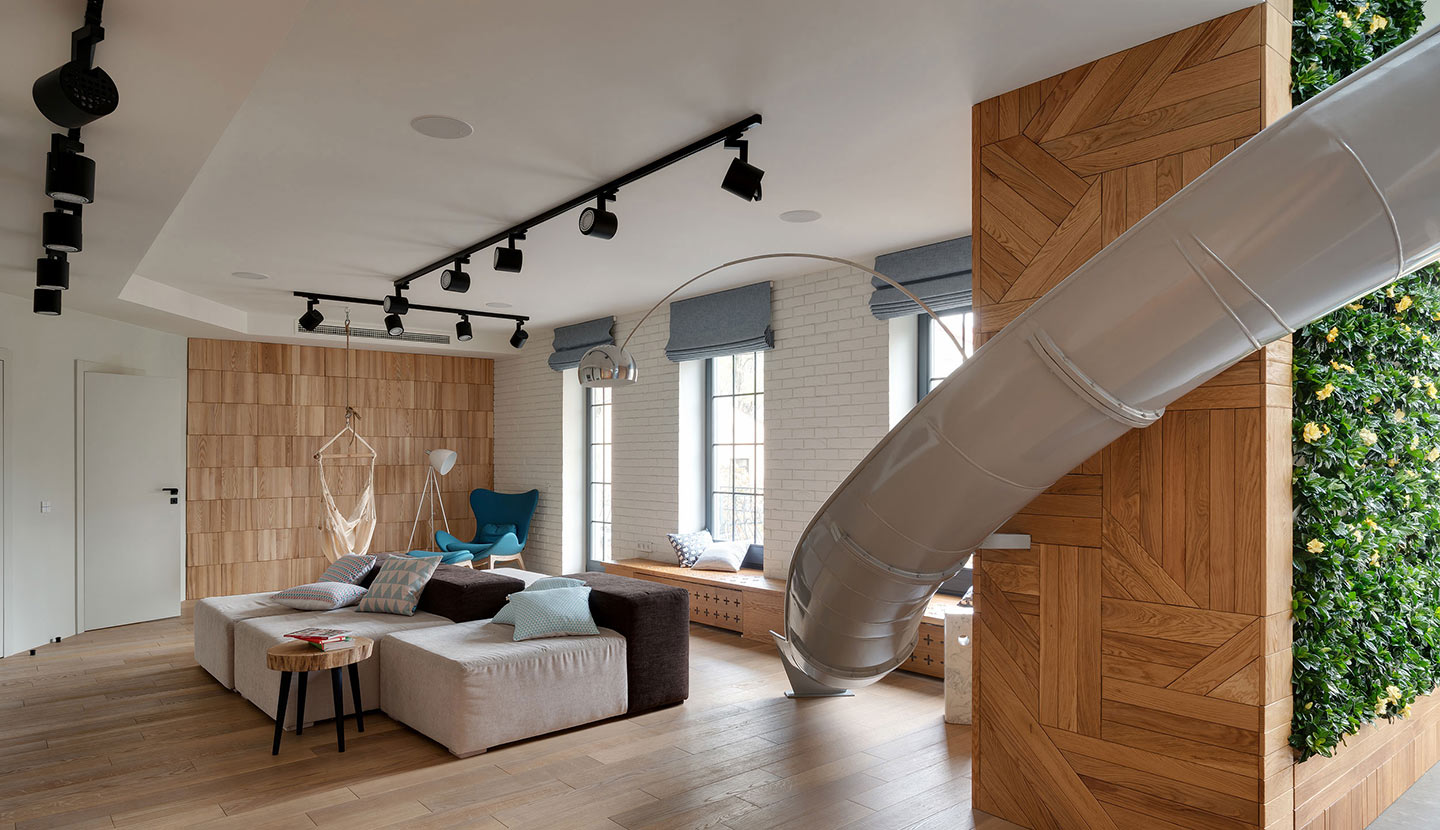
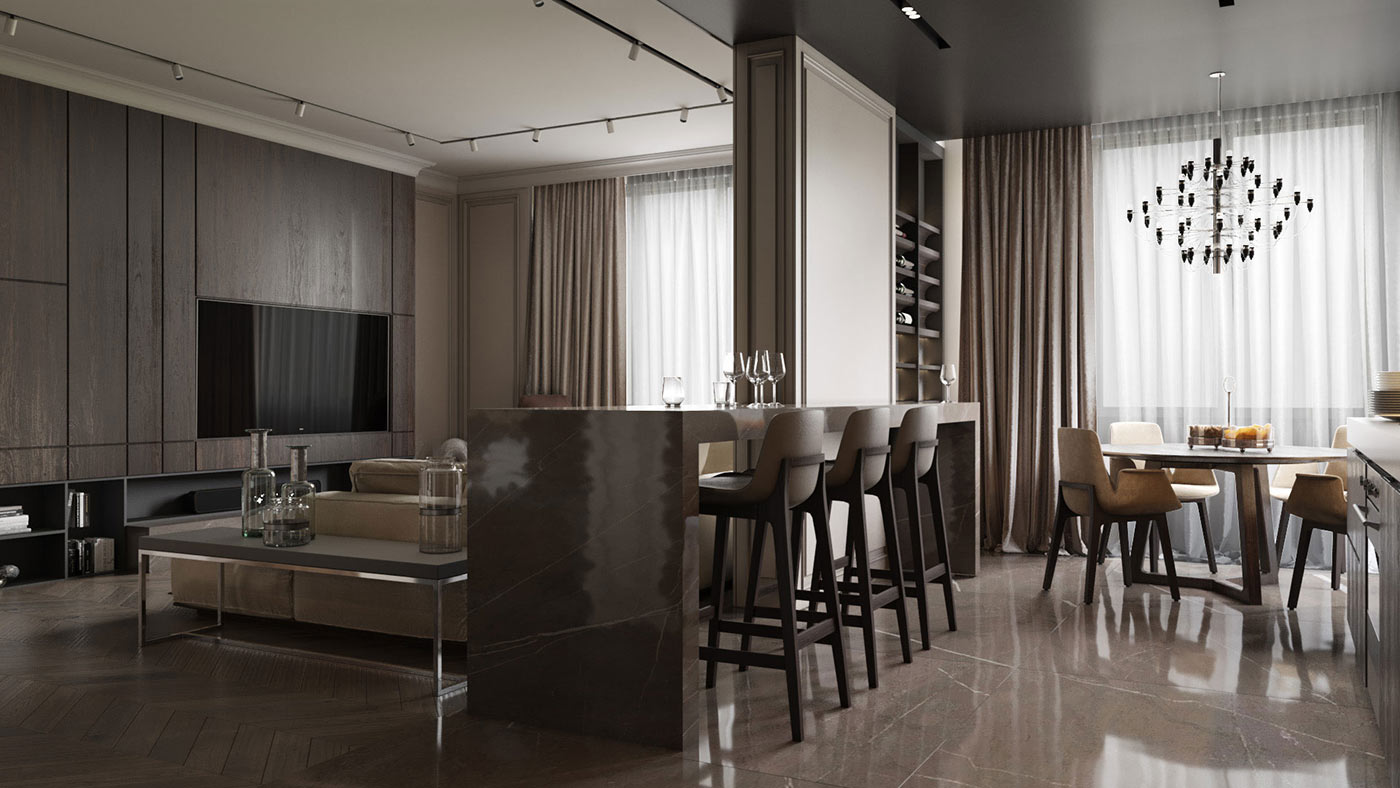
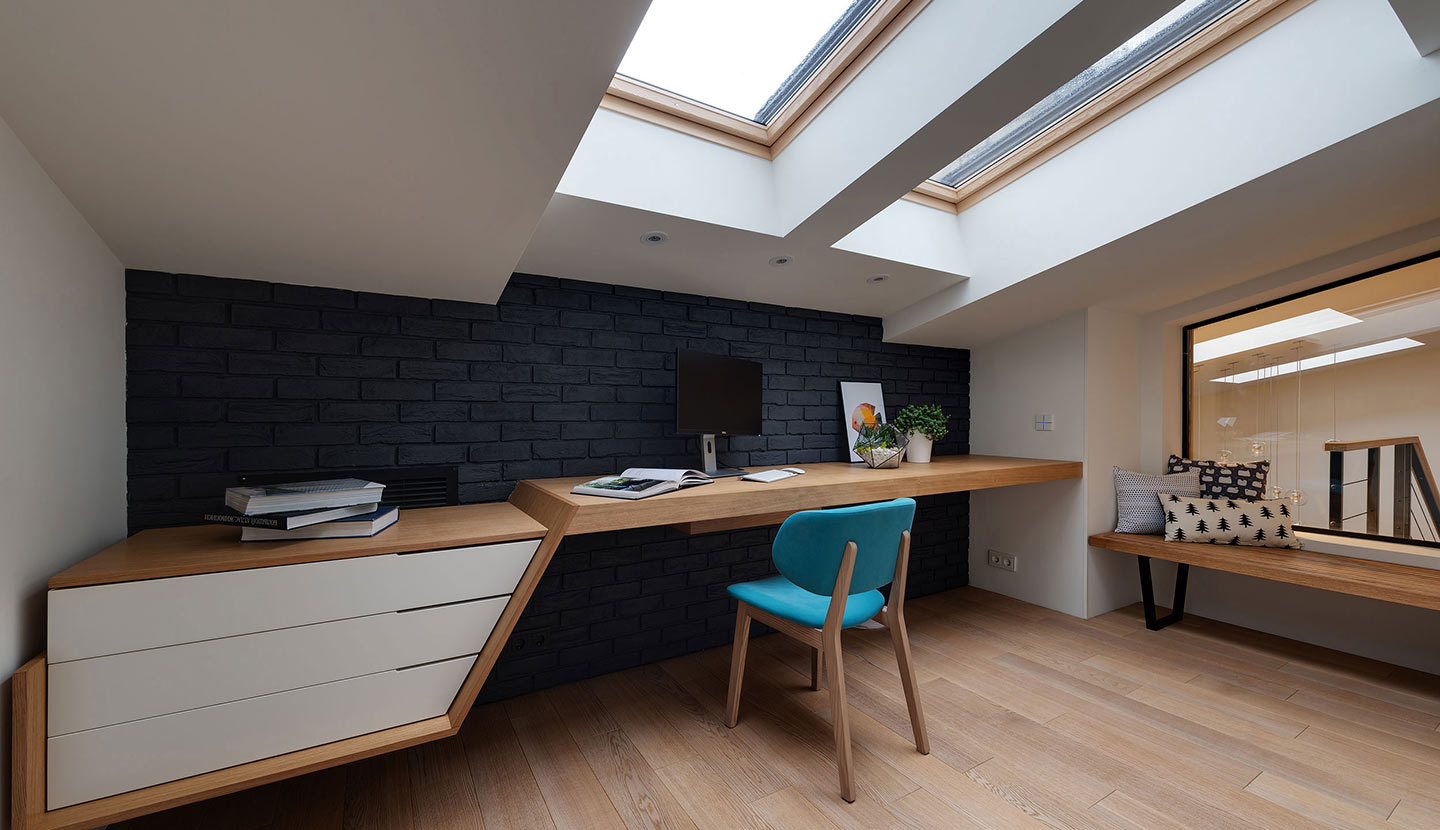
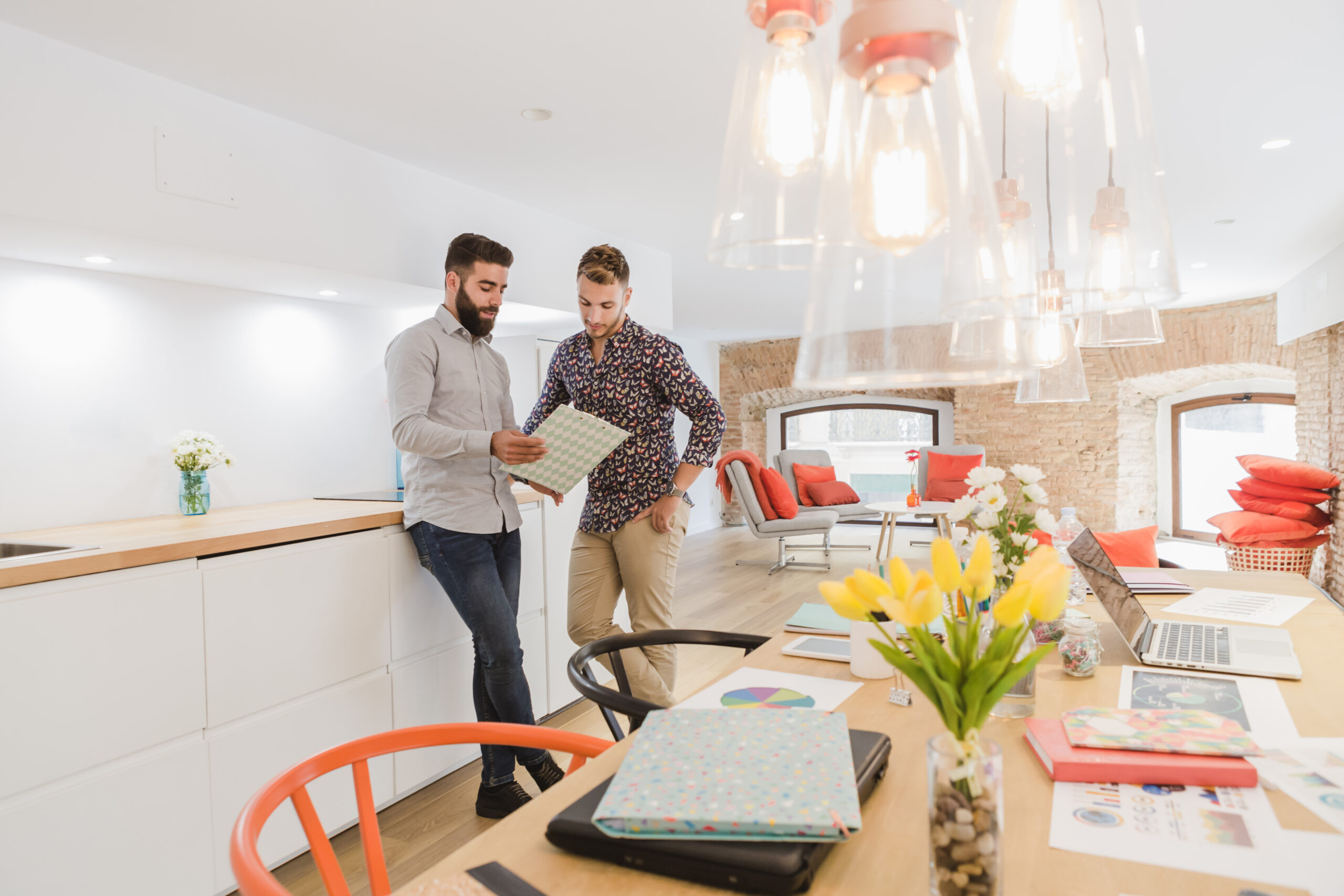
When it comes to creating a dream home, many people think about interiors—furniture, colors, and décor. But the truth is, a truly beautiful and comfortable home is built on the strong foundation of architecture and interior design working together. Architecture defines the structure, layout, and strength of your house, while interior design adds beauty, comfort, and personality to it.
In this blog, we’ll explore how architecture and interior design complement each other, and why both are equally important for building a home that is not only functional but also stylish.
1. Architecture Creates the Foundation, Interior Design Adds Life
The journey of a home begins with architecture. It defines the structure, dimensions, and flow of spaces. The role of interior design starts once the structure is in place—it adds color, texture, and personality.
For example:
- Architecture sets the location of windows; interior design chooses curtains and lighting to enhance them.
- Architecture decides ceiling height; interior design adds chandeliers or false ceilings for impact.
- Architecture builds walls and rooms; interior design fills them with style and function.
Together, they transform an empty house into a living, breathing home.
2. Achieving Balance Between Functionality and Aesthetics
A home must be both practical and beautiful. Architecture ensures spaces are safe, well-structured, and functional, while interior design ensures they are welcoming and stylish.
- Architecture gives you a spacious living room; interior design makes it cozy with furniture and décor.
- Architecture creates a modern kitchen layout; interior design makes it efficient with cabinets, lighting, and accessories.
Without architecture, interiors lack structure. Without interior design, architecture feels incomplete.
3. Enhancing Natural Light and Ventilation
One of the key aspects of architecture is planning for natural light and airflow. Interior design works to maximize these elements to create healthier and brighter spaces.
- Large windows (architecture) bring in daylight; light-toned walls and mirrors (interior design) amplify it.
- Open layouts (architecture) improve air circulation; minimal furniture (interior design) keeps the flow free.
This harmony ensures your home is energy-efficient and pleasant to live in.
4. Space Utilization Made Smarter
Good architecture ensures there is no wasted space, while interior design ensures optimal use of every corner.
- Architects create storage areas and functional layouts.
- Interior designers enhance them with modular units, smart furniture, and décor.
For example, an architect may provide a balcony, while the interior designer turns it into a cozy reading nook with seating and greenery.
5. Adding Comfort and Lifestyle Value
Homes are not just about walls and roofs—they are about comfort, lifestyle, and emotions.
- Architecture positions bedrooms away from noisy areas for peace.
- Interior design adds warm lighting, soft textures, and calming colors for relaxation.
- Architecture places the dining area near the kitchen.
- Interior design sets up a stylish dining table, mood lighting, and décor for enjoyable meals.
This collaboration ensures your home supports your lifestyle seamlessly.
6. Creating a Cohesive Look
Architecture sets the overall theme of your home—whether modern, traditional, or contemporary. Interior design ensures that the inside reflects the same style.
For example:
- A modern home exterior blends perfectly with minimalist interiors.
- A classic villa looks more authentic with vintage-inspired furniture inside.
This consistency between outside and inside creates a cohesive look that leaves a lasting impression.
7. Boosting Property Value
Homes with strong architecture and elegant interiors always have higher resale value. Buyers are more attracted to houses that are move-in ready with functional layouts and stylish interiors.
- Architecture ensures structural durability.
- Interior design makes the home attractive and practical.
The combination creates a property that stands out in the real estate market.
8. Supporting Sustainability
Modern homeowners increasingly look for eco-friendly solutions. Both architecture and interior design play vital roles here.
- Architects use sustainable building materials, natural ventilation, and solar designs.
- Interior designers incorporate energy-saving lights, eco-friendly furniture, and indoor plants.
This teamwork not only helps the planet but also lowers energy bills and improves indoor quality.
9. Personalizing the Home
Every home should feel like a reflection of its owner. Architecture provides the structure, but interior design brings personal identity into the home.
- The layout may be standard, but colors, furniture, and décor reflect your unique personality.
- Architecture builds spaces, while interiors adapt them to suit your lifestyle.
This balance ensures that your home is both structurally strong and emotionally meaningful.
10. Avoiding Costly Mistakes
When architecture and interior design work hand in hand from the start, it prevents expensive mistakes later.
For example:
- Planning electrical points with furniture layouts avoids awkward placements.
- Designing window locations with interiors in mind prevents blocking natural light.
- Considering flooring materials early saves replacement costs.
Working together ensures smooth execution, saving both time and money.
Final Thoughts
A beautiful home is never the result of architecture or interior design alone—it is the synergy of both. Architecture gives strength, structure, and practicality, while interior design adds beauty, comfort, and individuality. Together, they build a home that is functional, stylish, and timeless.