
How Furniture and Interior Design Help in Keeping Your Home Organized
An organized home is more than just a neat and tidy living space—it is a place where functionality meets style. In today’s fast-paced lifestyle, maintaining an organized home can sometimes feel challenging, especially with limited space in modern apartments. This is where furniture and interior design play a vital role. Together, they help maximize space, reduce clutter, and create a home that looks stylish yet remains functional.
In this blog, we will explore how furniture and interior design help in keeping your home organized, and why investing in both is essential for modern living.
1. Why Organization Matters in a Home
Before diving into the role of furniture and design, it’s important to understand why home organization matters. A well-organized home:
- Reduces stress by minimizing clutter.
- Improves efficiency in day-to-day activities.
- Creates a welcoming and comfortable atmosphere.
- Enhances the aesthetic appeal of interiors.
Organization is not just about storage—it’s about creating a functional and harmonious lifestyle environment.
2. The Role of Furniture in Home Organization
Furniture is more than just decoration—it is the foundation of an organized home. The right pieces help you save space, store essentials, and define functionality.
a) Multi-functional Furniture
Modern homes often demand smart solutions. Furniture that serves multiple purposes helps keep things organized. Examples include:
- Sofa beds that work as seating during the day and sleeping space at night.
- Storage ottomans to hide books, toys, or extra blankets.
- Extendable dining tables for flexible use in small areas.
b) Storage-Based Furniture
Cabinets, wardrobes, bookshelves, and modular furniture provide storage options that keep belongings neatly tucked away. Well-designed storage solutions prevent clutter from building up.
c) Proper Furniture Placement
The way you arrange furniture also impacts organization. Placing items strategically creates better flow, makes cleaning easier, and keeps spaces functional.
3. Interior Design’s Role in an Organized Home
While furniture provides structure, interior design enhances functionality and balance. Designers focus on making spaces look beautiful while also staying practical.
a) Smart Space Planning
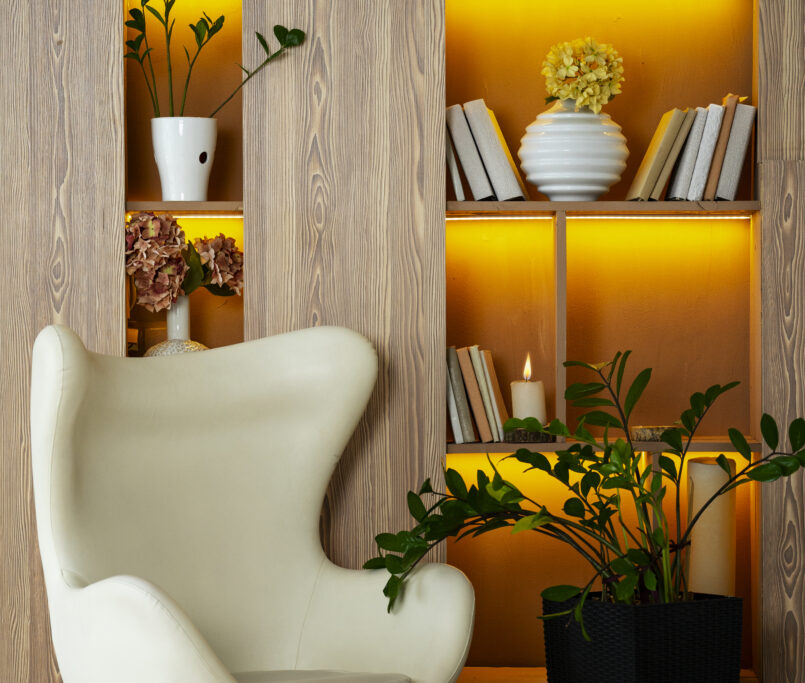
Interior design helps utilize every inch of space efficiently. For example, an unused corner can become a reading nook with the right chair and lighting.
b) Color and Lighting Effects
Light colors and proper lighting make spaces appear larger and more organized. Dark furniture in a small room may feel heavy, while lighter shades add openness.
c) Built-in Storage Solutions
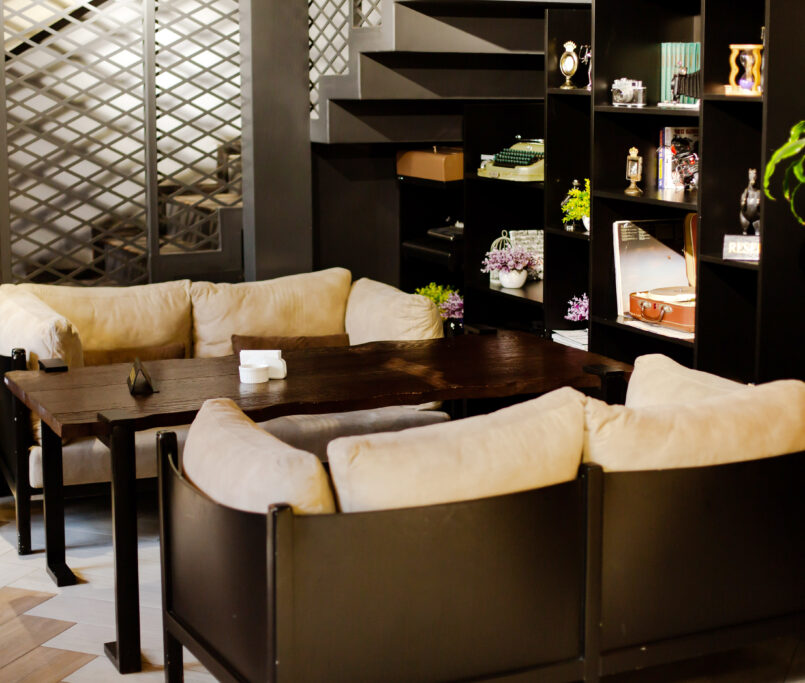
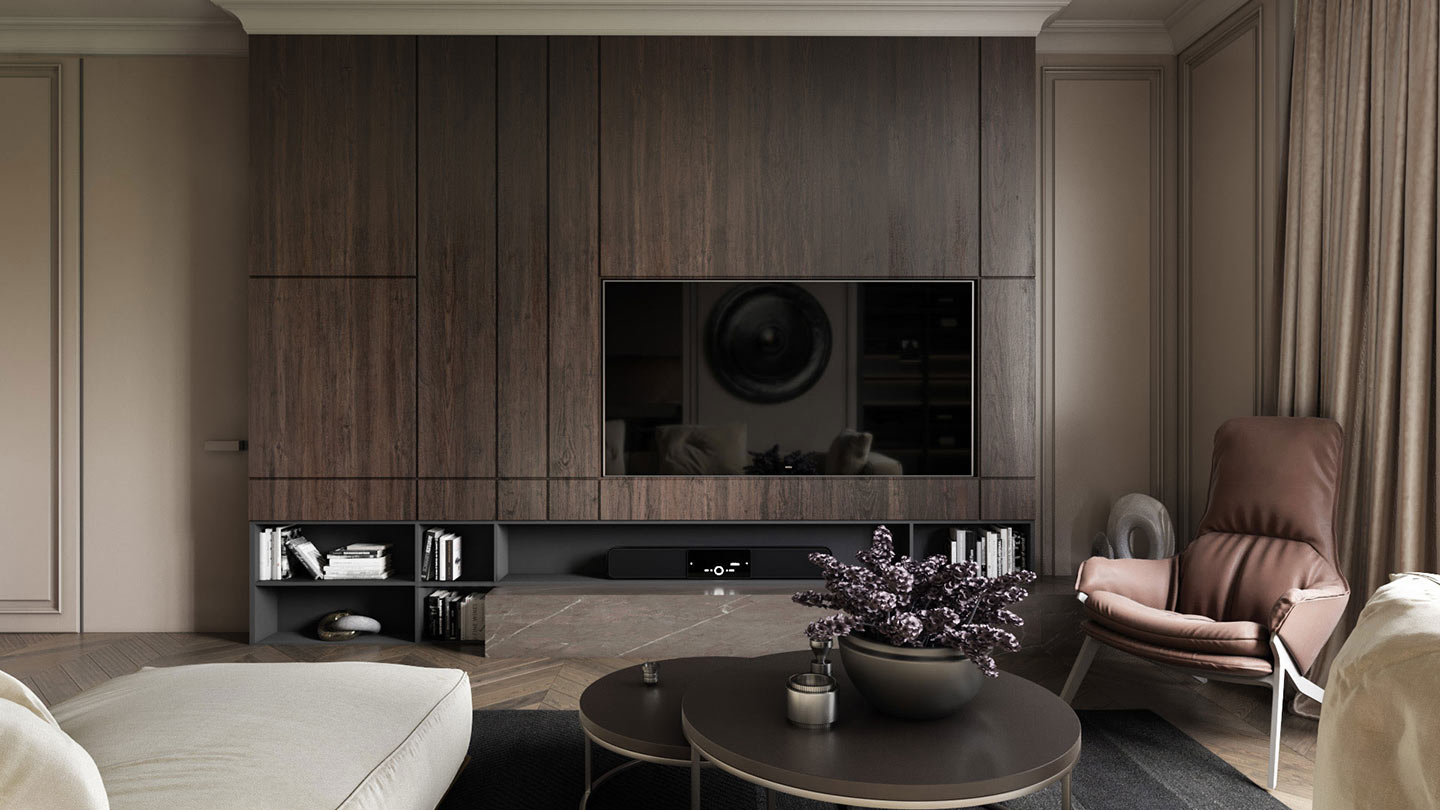
Modern interior design often incorporates built-in storage—such as wall cabinets, modular kitchens, or under-stair drawers—that blend seamlessly with décor while enhancing organization.
4. Furniture and Interior Design Working Together
The true magic happens when furniture and interior design work in harmony. For example:
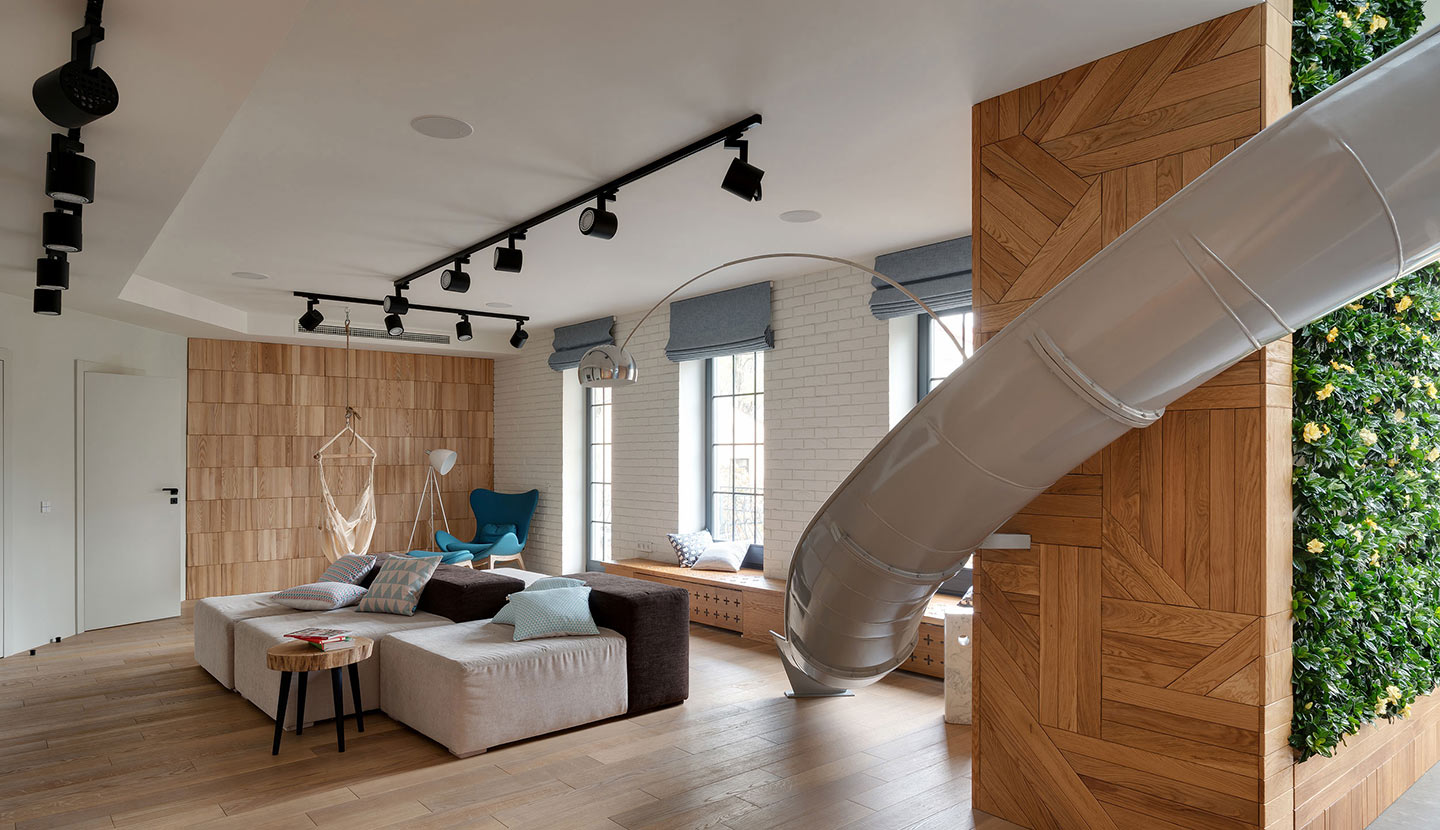
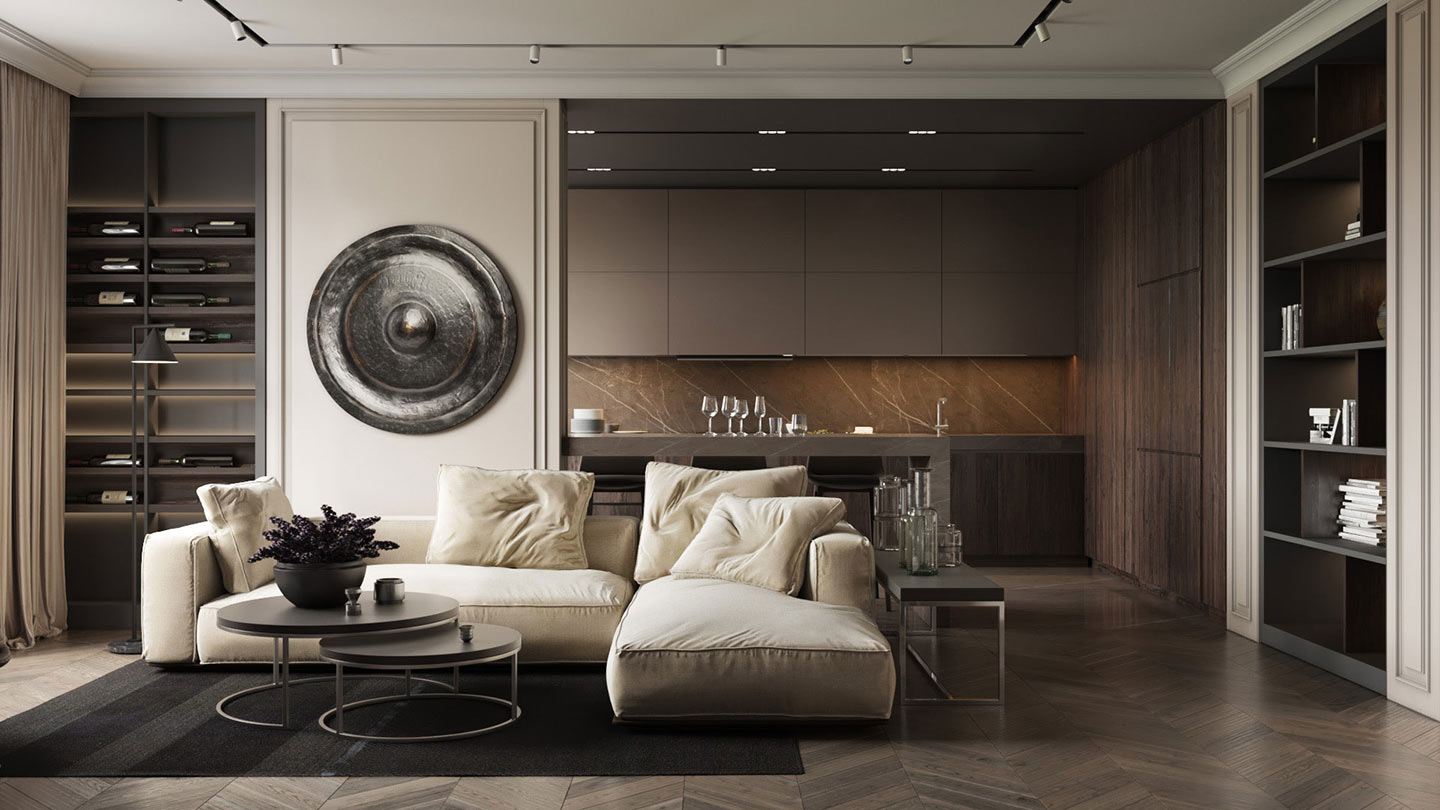
- A sectional sofa (furniture) paired with the right rug and lighting (design) creates a cozy, clutter-free living zone.
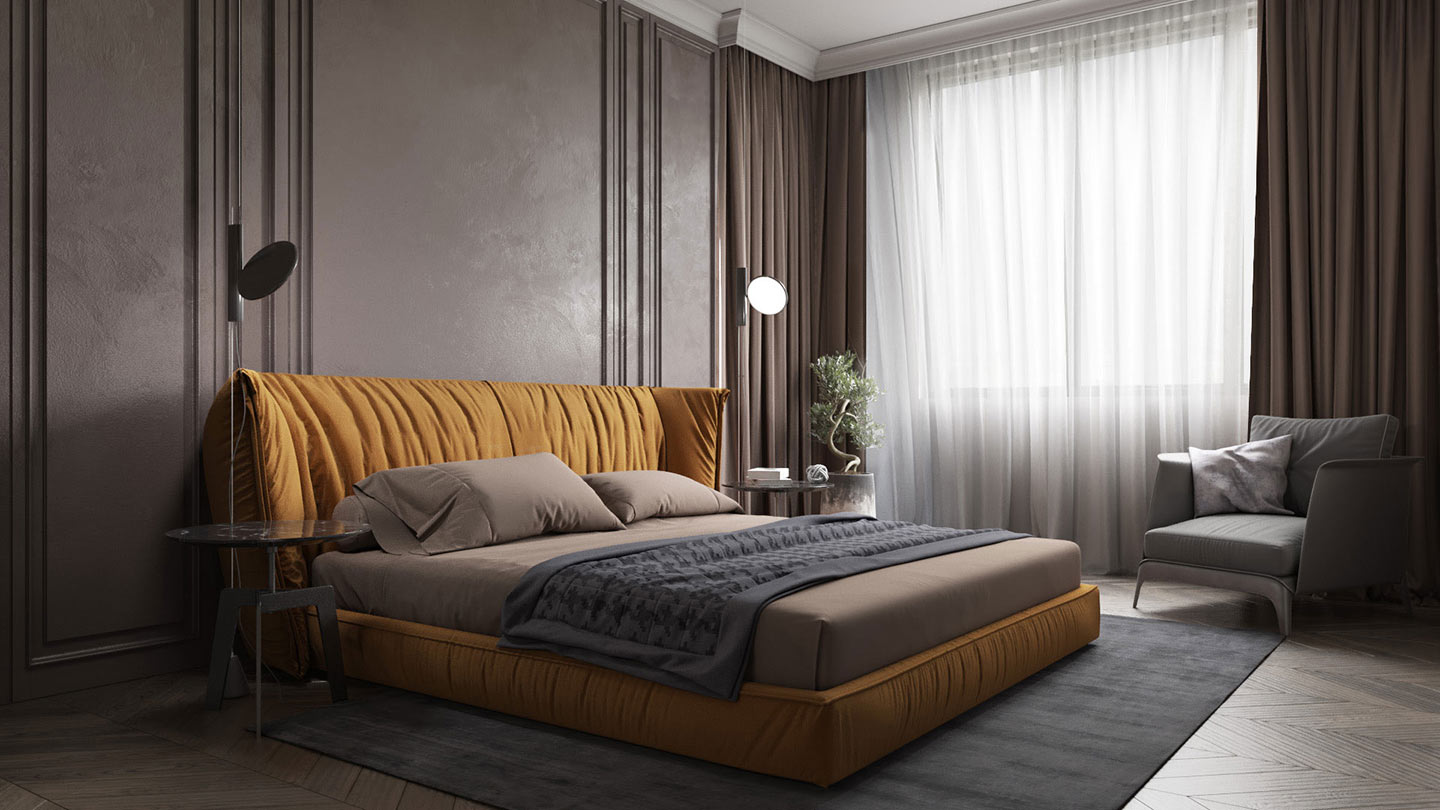
- A bed with storage drawers (furniture) fits seamlessly into a minimalist bedroom design.
- Modular wardrobes (furniture) blend into wall colors and room layout (design), enhancing space utilization.
Together, they transform a house into a functional and stylish home.
5. Maximizing Small Spaces
One of the biggest challenges in modern living is dealing with smaller homes. Furniture and interior design help overcome this with smart solutions:
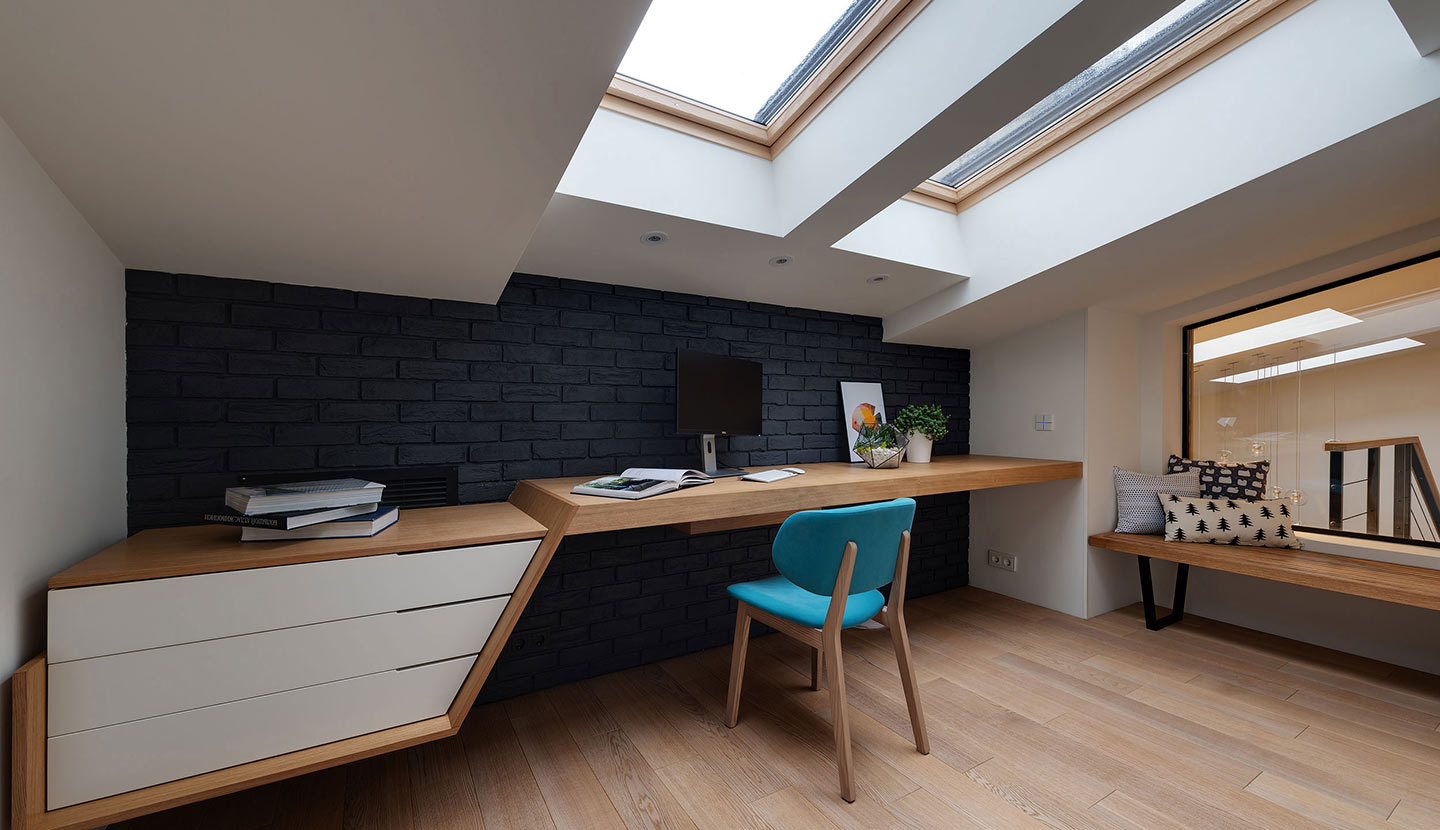
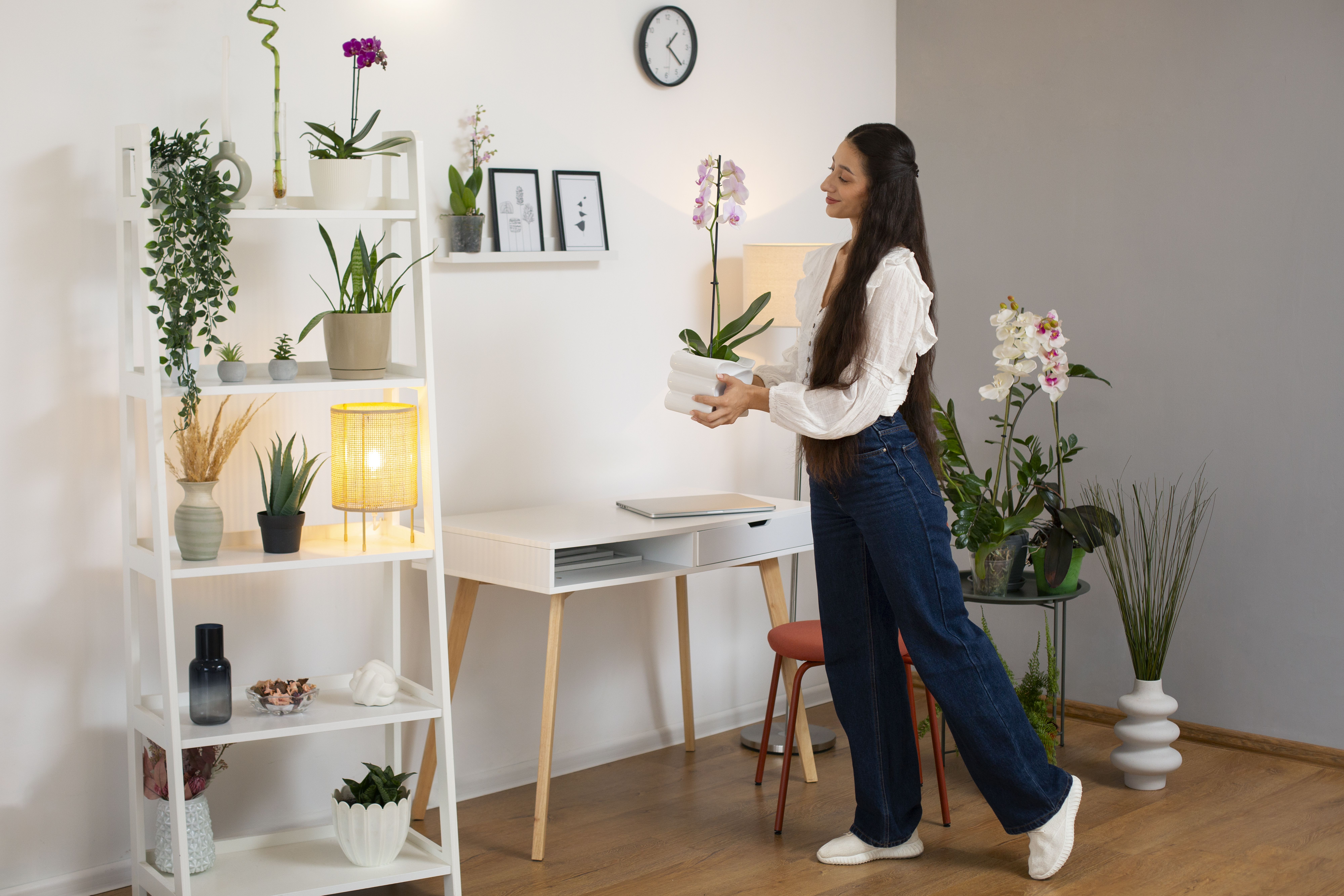
- Wall-mounted desks create home offices without taking up floor space.
- Foldable furniture ensures flexibility for changing needs.
- Vertical storage units utilize wall height effectively.
- Sliding doors replace traditional doors to save space.
With these ideas, even compact homes can feel open, organized, and welcoming.
6. Creating Functional Zones
Organized homes often have clearly defined zones for different activities, and this is achieved through furniture and design.
- Living zone: Sofas, coffee tables, and rugs define social spaces.
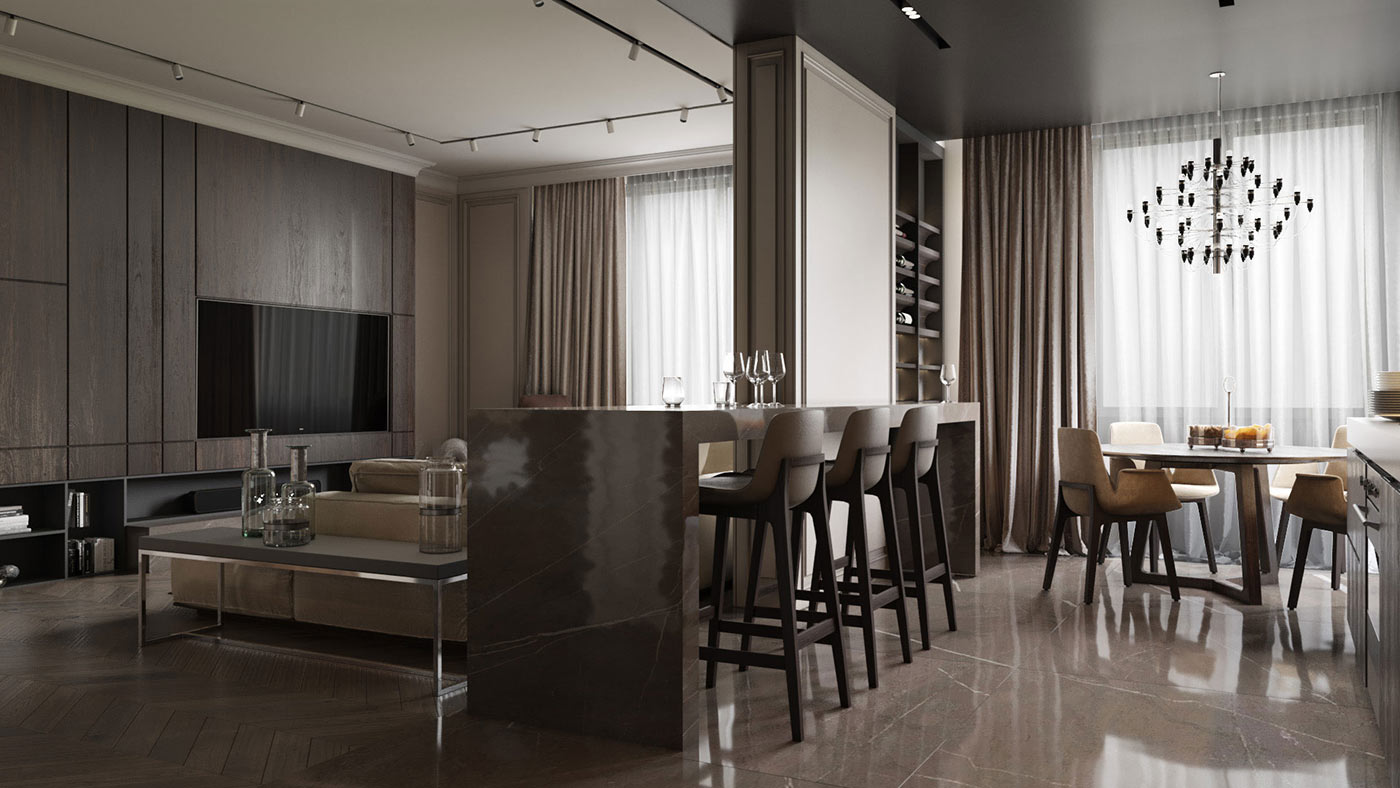
- Dining zone: A dining table under a stylish chandelier separates eating areas.
- Work zone: A compact desk and ergonomic chair near a window create a productive workspace.
This zoning ensures functionality without clutter, especially in open-plan homes.
7. Balancing Comfort and Aesthetics
An organized home is not only clutter-free but also comfortable and beautiful.
- Furniture ensures physical comfort, such as ergonomic chairs and cozy sofas.
- Interior design enhances visual comfort with soothing colors, textures, and lighting.
- Decorative furniture, like accent chairs or artistic shelves, adds personality without crowding the space.
The balance of comfort and aesthetics makes organization feel natural rather than forced.
8. Emotional and Lifestyle Benefits
An organized home positively impacts your lifestyle and mental well-being. With furniture and design working together:
- Daily routines become smoother and stress-free.
- Spaces feel calm, relaxing, and welcoming.
- Guests experience warmth and style in every room.
- Families enjoy spending more time in well-designed, organized spaces.
This highlights how organization goes beyond physical space—it creates emotional comfort too.
9. Increasing Home Value
Good furniture and interior design not only improve daily living but also boost property value. Buyers are more attracted to homes that are well-designed and organized.
- Modular kitchens and built-in wardrobes enhance functionality.
- Stylish yet durable furniture increases long-term appeal.
- A clutter-free, organized layout makes the property market-ready.
Thus, organization through furniture and design is both a lifestyle and financial investment.
10. Tips for an Organized Home with Furniture and Interior Design
Here are some practical tips to keep your home neat and stylish:
- Invest in multi-purpose furniture like sofa-cum-beds or ottomans.
- Stick to a minimalistic design theme to avoid clutter.
- Use vertical and hidden storage for better space management.
- Choose furniture that matches your interior design theme.
- Regularly declutter to maintain a fresh, organized look.
Final Thoughts
A truly organized home is a balance of functional furniture and smart interior design. Furniture defines spaces, adds storage, and ensures comfort, while interior design enhances harmony, beauty, and efficient use of space. Together, they transform ordinary houses into stylish, clutter-free homes.
If you want a home that reflects peace, comfort, and elegance, pay attention to both furniture and design. With the right choices, you can create a space that is not only organized but also inspiring to live in every day.