
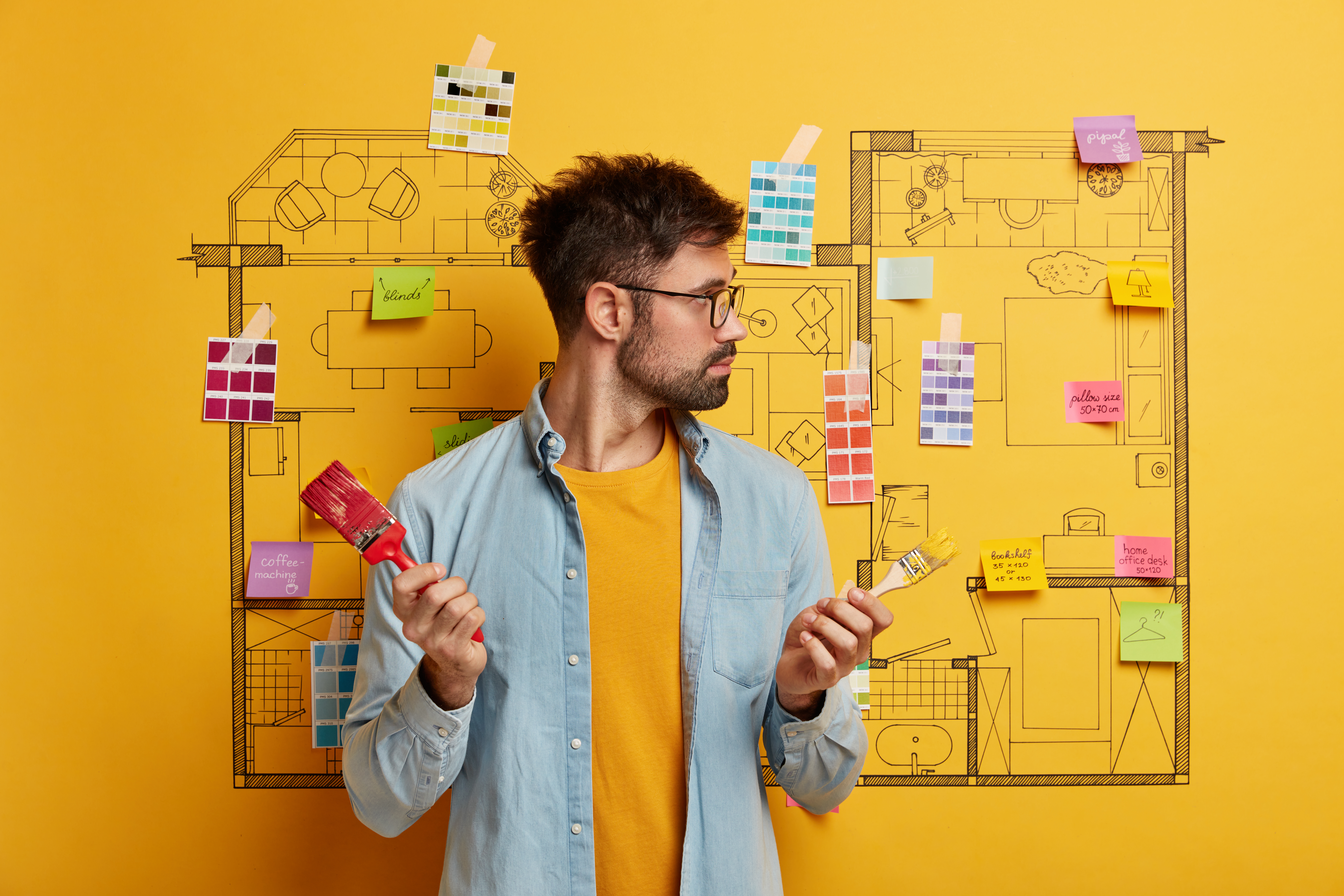
Why Interior Designing is Important in a House
When we think of a house, we often picture four walls, a roof, and a space to live in. But a home is so much more than that—it’s a reflection of your personality, lifestyle, and values. This is where interior designing comes into play. Interior design transforms a basic structure into a warm, functional, and aesthetically pleasing space that not only looks beautiful but also feels right to live in.
In today’s fast-paced world, interior designing is no longer a luxury; it has become a necessity. Whether you live in a small apartment, a villa, or a modern studio, a well-designed home can significantly enhance your comfort, improve functionality, and even boost the overall value of your property.
In this blog, we’ll explore why interior designing is important in a house, and how it can make a real difference in your everyday life.
1. Enhances the Functionality of Space
One of the primary reasons why interior designing is important is functionality. A home may look attractive on the outside, but if the interiors are not planned properly, the space may not serve your needs.
Interior designers study your lifestyle, preferences, and requirements before creating layouts. For example:
- A small apartment can feel spacious with smart storage solutions.
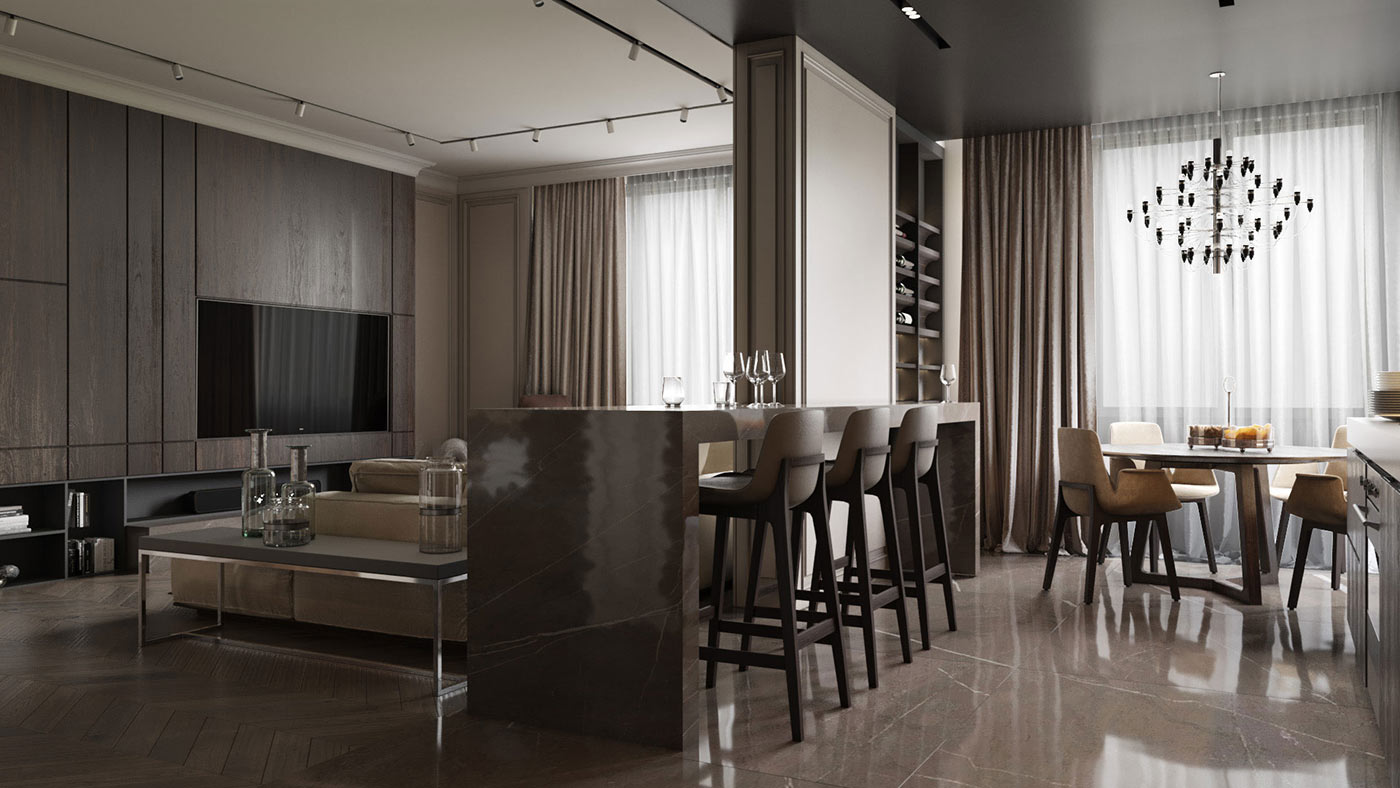
- An open kitchen with functional cabinets can make cooking and dining more efficient.
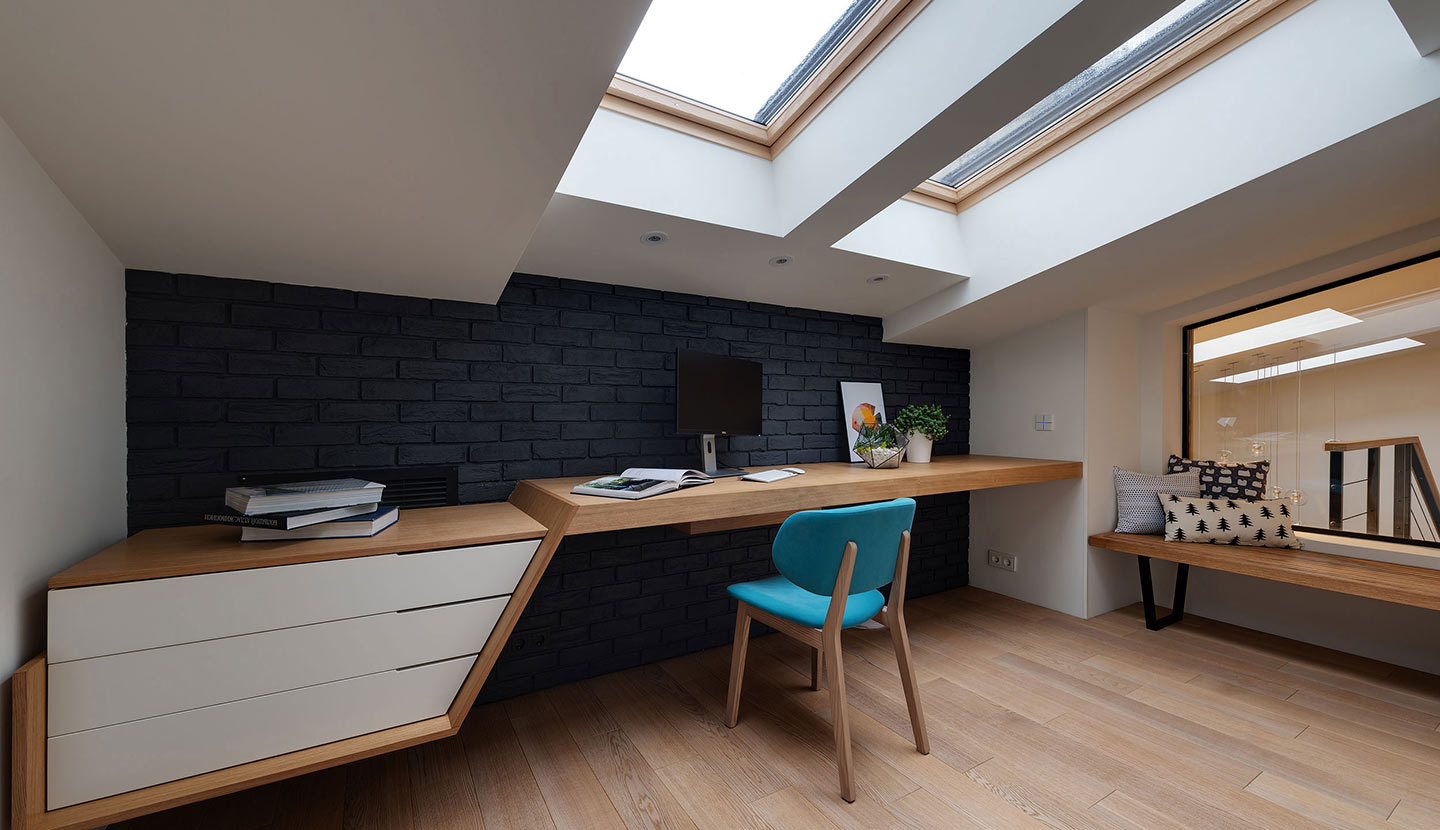
- Proper lighting placement can make rooms appear brighter and larger.
Good interior design ensures that every corner of your house is utilized effectively without making it look cluttered.
2. Reflects Your Personality and Style
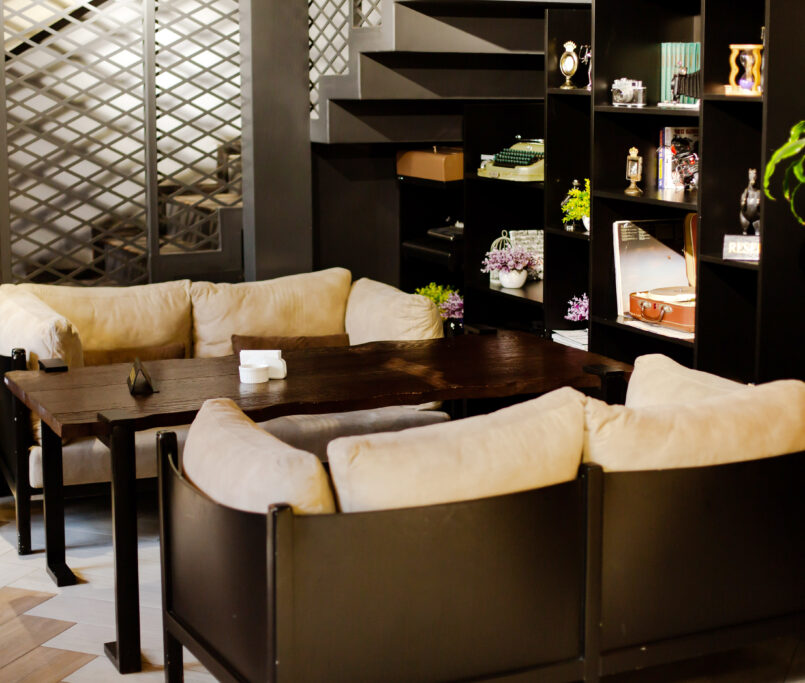
Your home is a reflection of you. From the colors on the walls to the furniture you choose, every element speaks volumes about your taste and personality.
Interior designers help homeowners express themselves through:
- Choice of colors and themes (modern, traditional, minimalist, bohemian).
- Selecting furniture and decor that align with personal style.
- Incorporating unique elements like artworks, textures, or statement pieces.
When you invest in interior design, you create a space that feels truly yours.
3. Improves Comfort and Quality of Life
A well-designed home does not just look good—it feels good. Interior design takes into account ergonomics, comfort, and practicality. For instance:
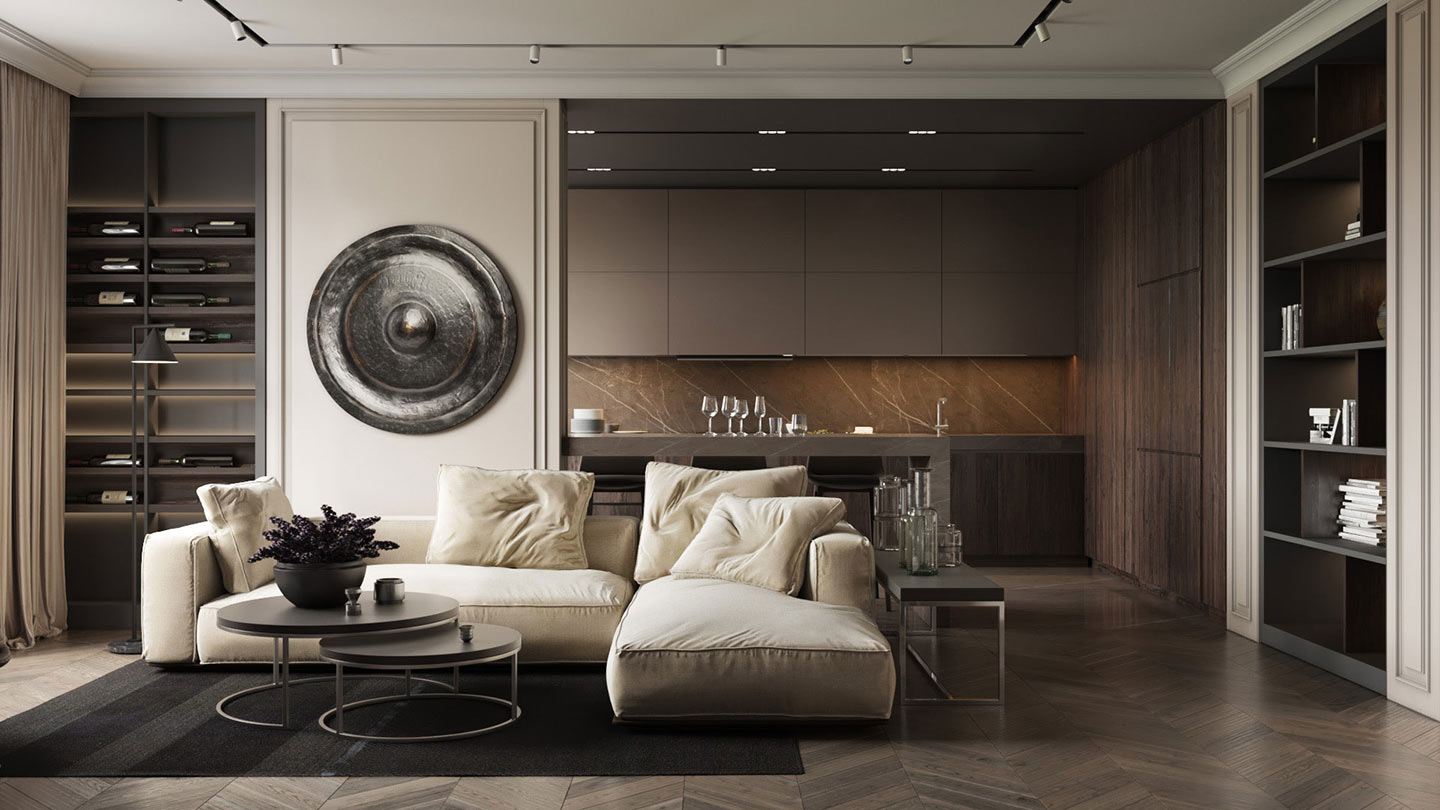
- A cozy living room layout can encourage relaxation and family bonding.
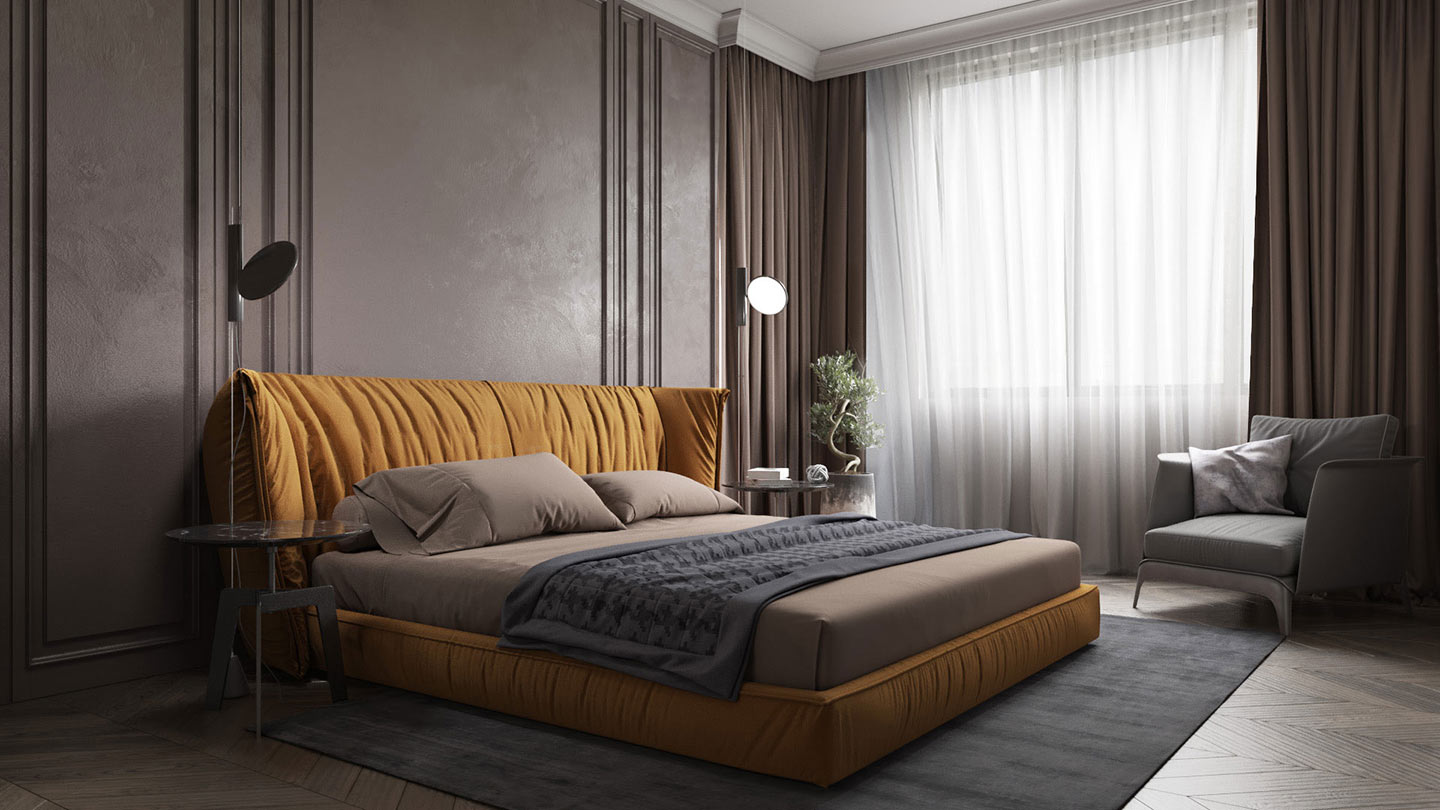
- A well-designed bedroom with soothing colors can improve sleep quality.
- Organized wardrobes and storage reduce stress caused by clutter.
The focus is not only on aesthetics but also on creating a healthy and comfortable environment that promotes happiness and well-being.
4. Creates a Positive First Impression
The moment someone enters your home, they form an impression about you. A thoughtfully designed interior creates a sense of elegance and harmony that leaves guests impressed.
Elements like:
- A welcoming entryway with good lighting.
- A balanced color palette.
- Stylish yet functional furniture.
… all contribute to making your home look sophisticated and inviting.
In fact, interior designing adds a “wow” factor to your home that plain construction cannot achieve.
5. Maximizes the Value of Your Property
Another important reason why interior designing is essential in a house is its impact on property value. A well-designed home has a higher resale value because buyers are more attracted to aesthetically pleasing and functional interiors.
For example:
- Modern kitchens and bathrooms can significantly increase property worth.
- Smart storage solutions and organized spaces make homes more desirable.
- A clean, cohesive design theme appeals to potential buyers instantly.
Interior design is not just an expense—it is an investment that brings long-term returns.
6. Optimizes Lighting and Space
Lighting is a crucial part of any home, and interior designers know exactly how to use it to your advantage. Proper placement of natural and artificial lights can make a room look bigger, warmer, or more vibrant.
Additionally, space planning ensures that no area is wasted. Designers work with layouts to make small homes look bigger and large homes feel cozier. With clever tricks such as mirrors, colors, and minimalistic furniture, your interiors can achieve the perfect balance.
7. Promotes Sustainability
Modern interior design is also about eco-friendliness. Designers often recommend sustainable materials, energy-efficient lighting, and eco-friendly furniture. This not only helps reduce your carbon footprint but also creates a healthier living environment.
For example:
- Using natural light reduces electricity bills.
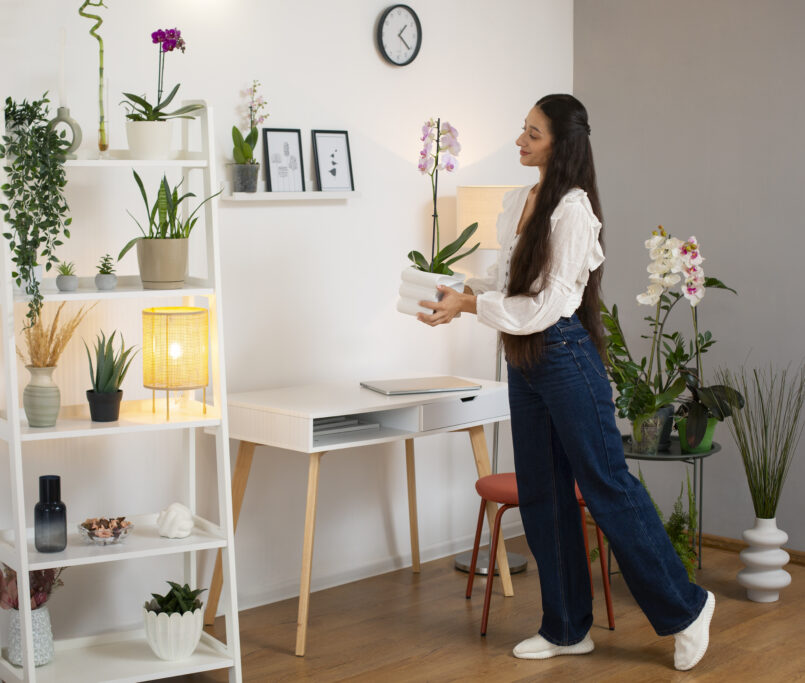
- Incorporating plants improves indoor air quality.
- Choosing recycled or sustainable materials contributes to environmental conservation.
Thus, interior design helps in creating a space that’s both stylish and sustainable.
8. Adds Emotional and Mental Well-being
The space you live in has a direct impact on your mood and mental health. A well-designed home filled with natural light, balanced colors, and organized spaces can reduce stress and improve focus.
- Warm tones create a sense of coziness.
- Cool tones offer relaxation and peace.
- Natural elements like wood and greenery foster calmness.
This is why interior design is often linked to mental wellness—because your surroundings shape your emotions.
9. Brings Cohesion and Balance
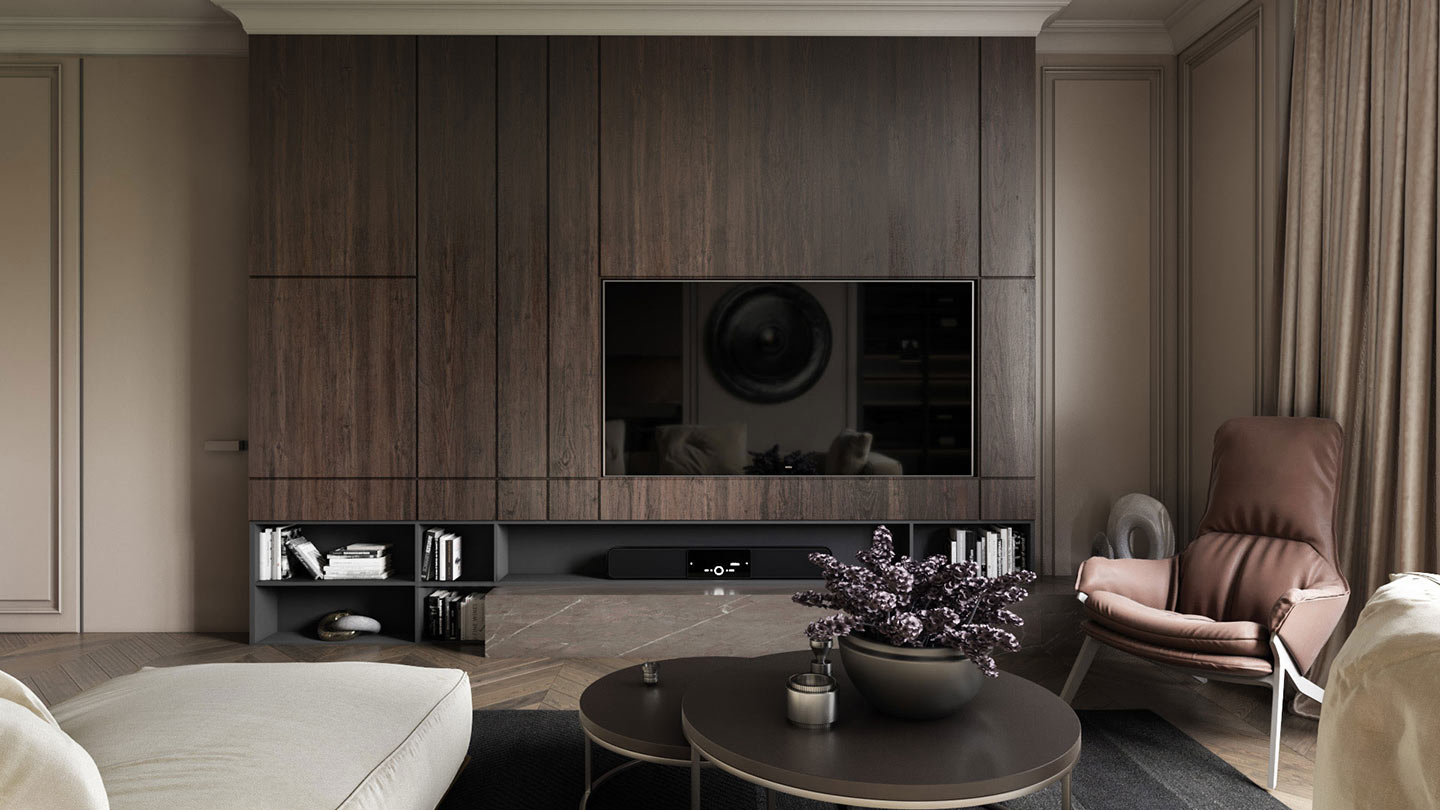
Without proper design, homes can often feel mismatched or chaotic. Interior design brings cohesion, ensuring that all elements—furniture, lighting, colors, and textures—work together in harmony.
Instead of randomly placing decor, design creates a balanced flow from room to room. This makes your home look organized, elegant, and thoughtfully planned.
10. Saves Time and Money in the Long Run
Many homeowners think hiring an interior designer is expensive. However, a well-planned design actually saves money by:
- Preventing unnecessary purchases.
- Avoiding costly mistakes in layout and furniture selection.
- Choosing durable materials that last longer.
Good design also saves time since everything has its place—no more searching for lost items in a cluttered home.
Final Thoughts
Interior designing is more than just beautifying your home—it’s about creating a functional, comfortable, and harmonious living environment that enhances your lifestyle. From improving space utilization to reflecting your personality, boosting property value, and even contributing to your mental well-being, the importance of interior design in a house cannot be overstated.
Whether you’re moving into a new house or planning to renovate your existing one, investing in professional interior designing is one of the best decisions you can make. After all, a well-designed home is not just a place to live—it’s a place to thrive, relax, and create memories.